Tooth Extraction Pain at 2 AM? Your Real Options Tonight
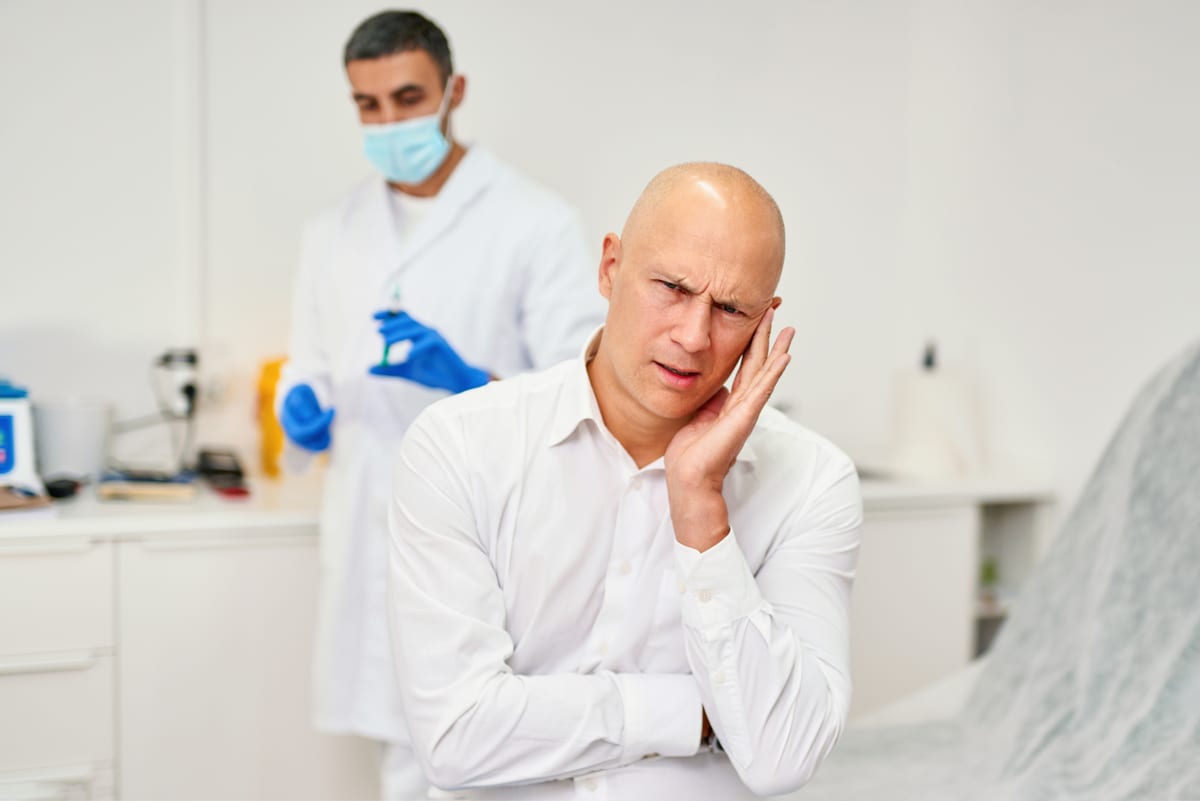
It happens to the best of us. You wake up at 2 AM with throbbing tooth pain that simply will not quit. If you are dealing with tooth extraction pain at 2 AM, your real options tonight in Waukegan depend on how severe your symptoms are. Knowing what steps to take right now can make a real difference before morning arrives. Dr. Cheska Avery and the team at Avery Family Dentistry want you to feel prepared — even in the middle of the night.
Why Tooth Pain Gets Worse at Night
Tooth pain tends to feel more intense after dark. When you lie down, blood pressure in your head increases slightly. That added pressure can amplify throbbing around an inflamed tooth or extraction site.
Daytime distractions also mask discomfort. Work, conversation, and movement all take your mind off pain. At night, silence makes every ache feel louder and harder to ignore.
Understanding why nighttime pain spikes can help you stay calm. This is not necessarily a sign that something has gone terribly wrong. It is simply how your body responds to inflammation when you are at rest.
Your Real Options Right Now in Waukegan Tonight
So what can you actually do at 2 AM? First, assess the severity of your symptoms. Ask yourself whether the pain is manageable or completely unbearable. That distinction shapes your next move.
Here are your realistic options when dental pain strikes overnight:
- Over-the-counter pain relief: Ibuprofen or acetaminophen can reduce inflammation and ease discomfort. Follow the dosage instructions on the label carefully.
- Cold compress: Apply a cold pack wrapped in a cloth to your cheek for 15 minutes on and 15 minutes off. This reduces swelling and numbs the area.
- Clove oil: A small amount applied with a cotton ball to the painful area can provide temporary numbing relief. It contains eugenol, a natural anesthetic.
- Elevate your head: Sleep with an extra pillow to reduce blood pooling near the painful tooth.
- Rinse gently: A warm saltwater rinse can clean the area and reduce inflammation around an extraction site.
These steps will not fix the underlying problem. However, they can help you get through the night until professional care is available.
When to Go to the Emergency Room Tonight
Some dental situations go beyond home management. Certain symptoms signal a genuine medical emergency that requires immediate attention tonight.
Go to your nearest emergency room right away if you experience:
- Swelling spreading to your jaw, neck, or throat
- Difficulty breathing or swallowing
- Fever above 101°F combined with severe tooth pain
- Uncontrolled bleeding from an extraction site
- Signs of a spreading infection, including red streaking on the skin
These are not situations to wait out until morning. A dental infection that spreads can become life-threatening quickly. Emergency rooms can manage infections and severe swelling even if they cannot perform dental procedures.
For less severe discomfort, home care and a morning dental appointment are usually the safer, more effective path. The ER is best reserved for situations involving your airway or systemic infection.
What Happens at Your Next-Morning Dental Visit
Once morning arrives, contact Avery Family Dentistry as early as possible. Dr. Avery prioritizes patients experiencing active pain. Describe your symptoms clearly when you call so the team can prepare appropriately.
At your visit, the team will evaluate the source of your pain. If you had a recent extraction, they will check for dry socket — a common complication where the blood clot is dislodged. Dry socket causes sharp, radiating pain and requires prompt treatment.
If the pain stems from a tooth that still needs extraction, Dr. Avery will walk you through your options. She may recommend a same-day extraction or a treatment plan that first addresses infection. Every decision is made with your comfort and long-term oral health in mind.
Maintaining regular preventive care significantly reduces the likelihood of emergency pain. Scheduling routine Dental Cleanings Waukegan appointments allows Dr. Avery to catch problems early — before they become 2 AM crises. Protective treatments like Dental Sealants Waukegan also help prevent decay that can progress into painful emergencies.
How to Prevent After-Hours Dental Emergencies
The best emergency is the one that never happens. Prevention is always less stressful than a middle-of-the-night pain episode. A few consistent habits can protect your teeth from becoming urgent problems.
See your dentist every six months for cleanings and exams. Early-stage decay and cracked teeth rarely cause serious pain. Left untreated, they often become emergencies at the worst possible moments.
Avoid chewing on ice, hard candy, or non-food items. These habits can crack teeth or loosen existing dental work unexpectedly. Wearing a nightguard if you grind your teeth also reduces stress fractures that develop silently over time.
After any extraction, follow your aftercare instructions precisely. Avoid smoking, straws, and vigorous rinsing for at least 48 hours. These actions protect the clot that forms in the socket and prevent dry socket from developing.
Conclusion: You Do Not Have to Suffer Through the Night Alone
Experiencing tooth extraction pain at 2 AM in Waukegan is frightening and exhausting. But you now have a clear plan. Use safe home remedies to manage overnight pain, watch for emergency warning signs, and contact Avery Family Dentistry as soon as the office opens. Dr. Cheska Avery and her team are committed to seeing patients in pain promptly and with genuine compassion. You deserve fast, caring relief — not hours of unnecessary suffering. Book Now to schedule your appointment with our team.
Frequently Asked Questions
Is it safe to take ibuprofen overnight for tooth extraction pain?
Yes, ibuprofen is generally safe for most adults when taken as directed on the label. It helps reduce both pain and inflammation around an extraction site. Always check for contraindications with any existing medications you take before using it overnight.
What is dry socket and how do I know if I have it?
Dry socket occurs when the protective blood clot in an extraction site is dislodged or dissolves too early. It causes sharp, radiating pain that often starts two to four days after an extraction. The pain is typically worse than the original extraction discomfort and may radiate toward your ear or jaw. Contact your dentist promptly if you suspect dry socket.
Should I go to the ER for tooth pain at night?
Only go to the ER if you have swelling spreading to your throat or neck, difficulty breathing or swallowing, a high fever, or uncontrolled bleeding. ERs can treat infections and swelling but cannot perform dental procedures. For manageable pain, home care and a morning dental appointment are usually the better option.
How can I manage tooth pain at night without medication?
A cold compress applied to the outside of your cheek can reduce swelling and numb pain effectively. Keeping your head elevated while sleeping also helps reduce pressure in the area. A gentle warm saltwater rinse can soothe soft tissue around the painful tooth as well.
How soon should I call the dentist after a painful night?
Call as early as possible when the office opens the next morning. Explain that you experienced significant overnight pain so the team can prioritize your appointment. At Avery Family Dentistry, Dr. Cheska Avery makes every effort to accommodate patients in active discomfort promptly.